Senior engineer. Ships with AI agents, owns the outcome.
Fourteen years of engineering, deepest in native iOS, shipped end to end whether I start it or inherit it. Indy growth to 700,000+ downloads. A real-time AI hearing app for Martin Cooper, the inventor of the cell phone.
A proof of concept with no guarantee it was possible. Built solo, end to end, and he uses it every day.
A real-time AI hearing app for Martin Cooper.
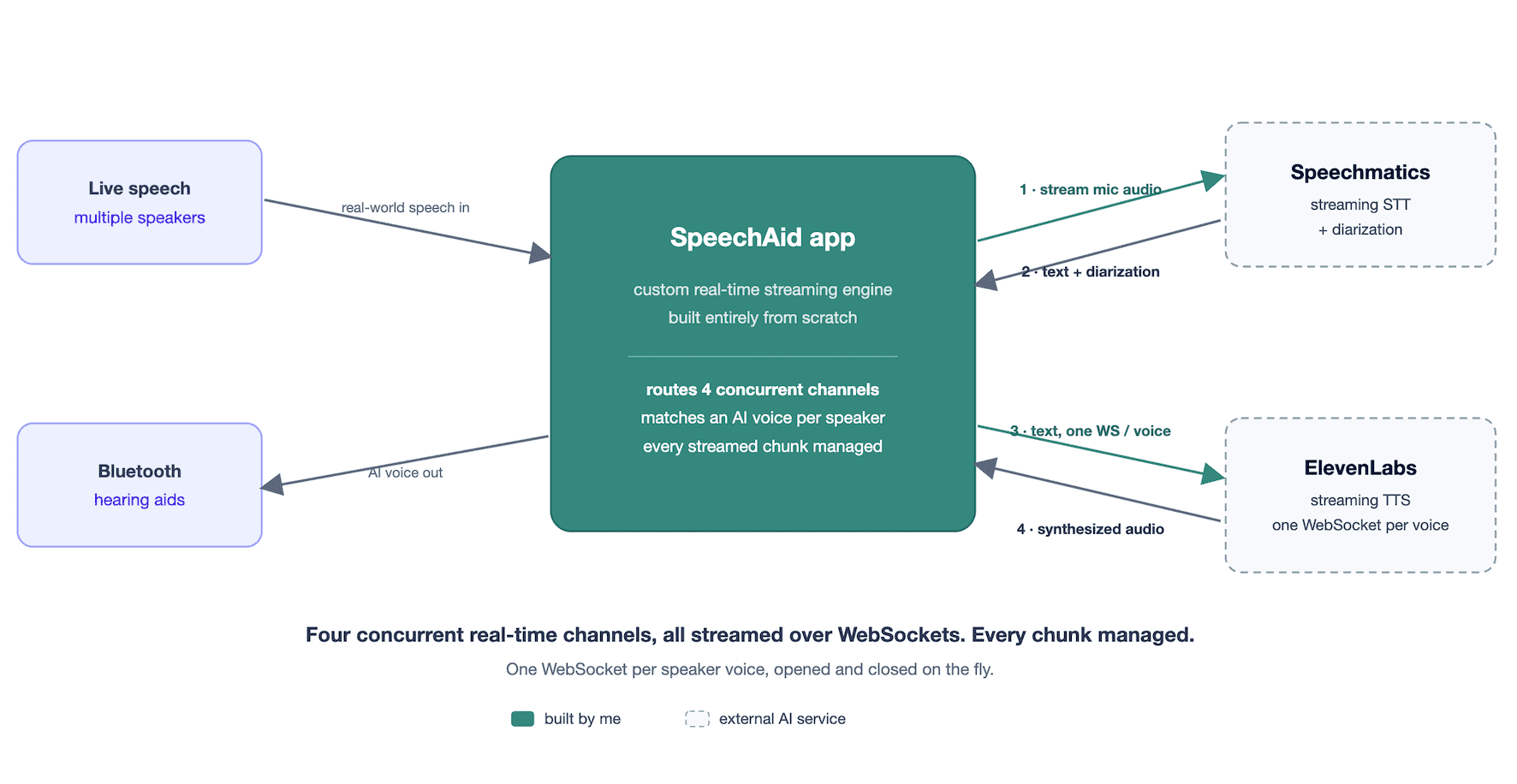
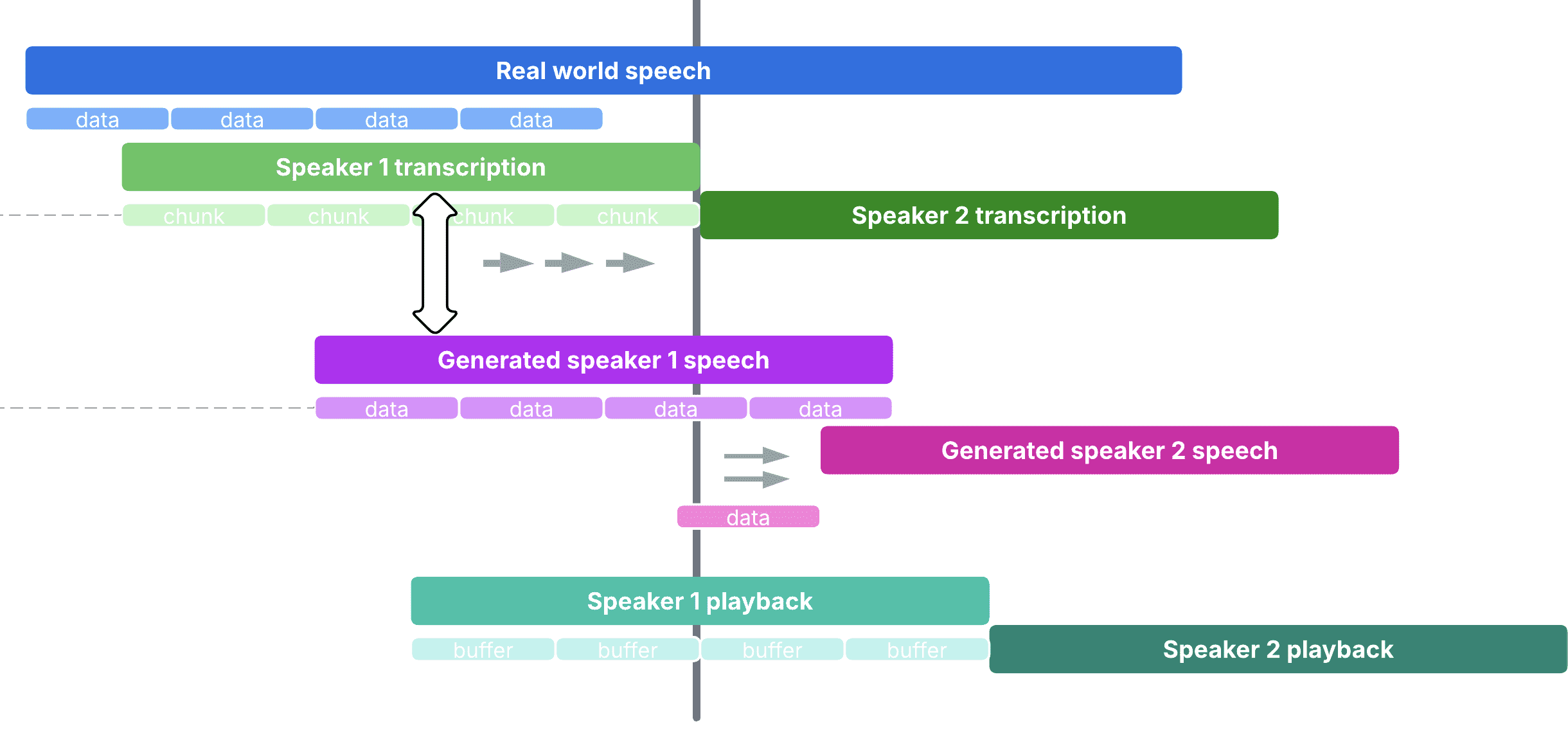
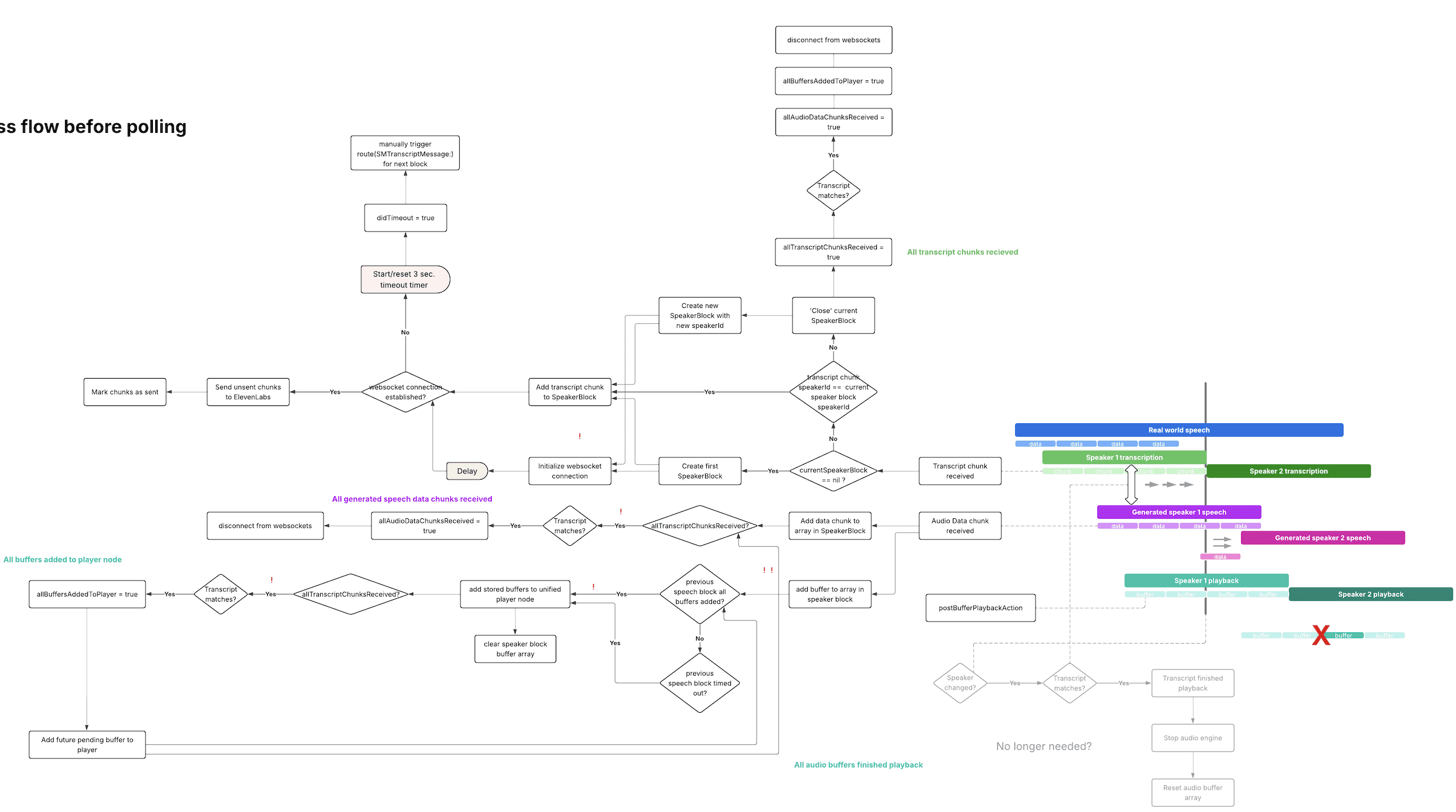
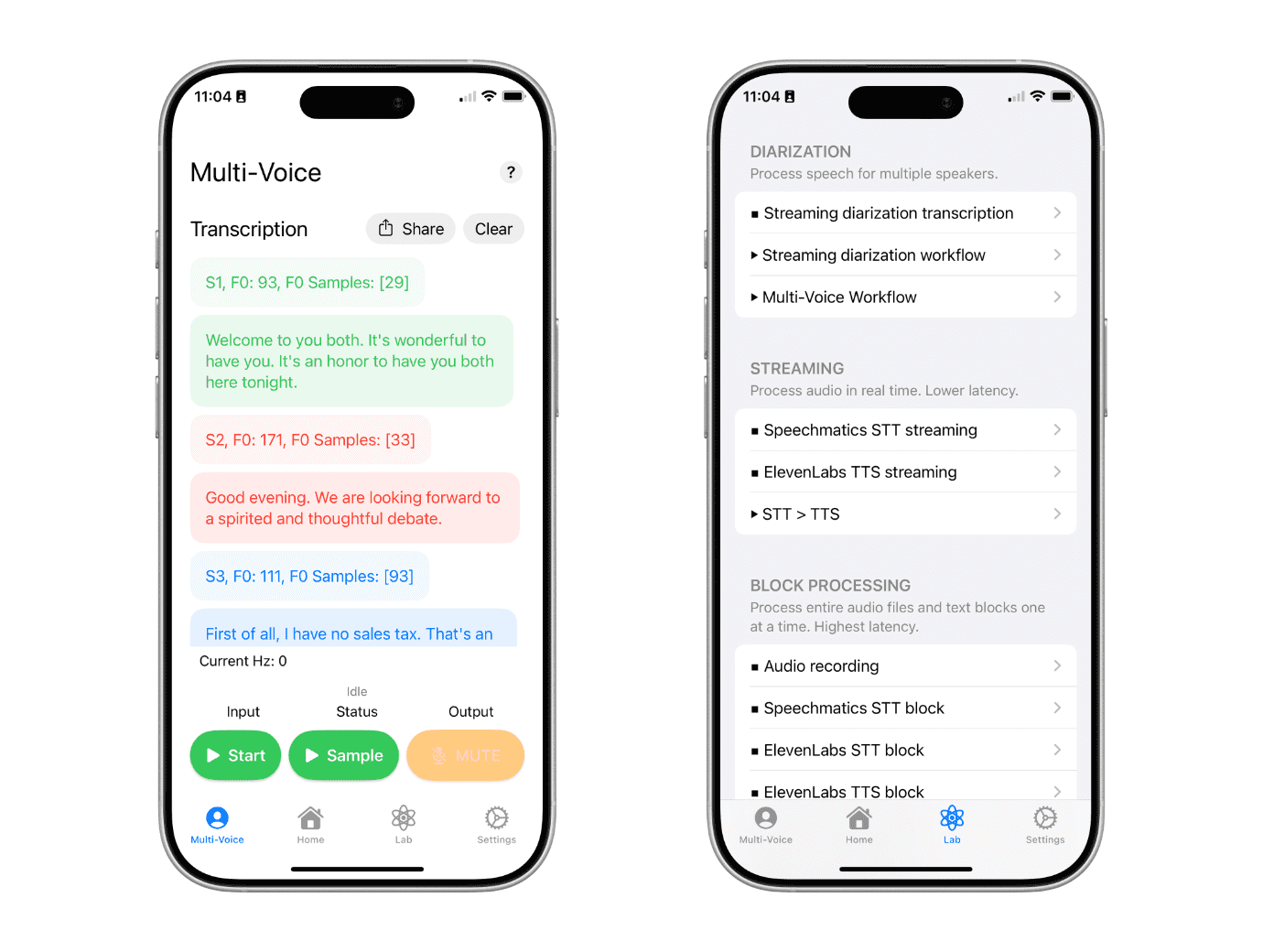
SpeechAid takes live speech, transcribes and diarizes it, and replays it into Bluetooth hearing aids in an AI voice the user can clearly understand, in real time. Built solo on a custom asynchronous multi-channel audio engine: four concurrent WebSocket channels routing many simultaneous speakers while generating and streaming AI voices back out, all at once.
"It turned into more than the proof of concept we were shooting for. Marty uses it daily and it's a real life enhancement for him."
Solo indy apps and client builds. I owned the iOS layer on all of them, end to end, through App Store approval.
Apps I built and shipped.
Univoice AI
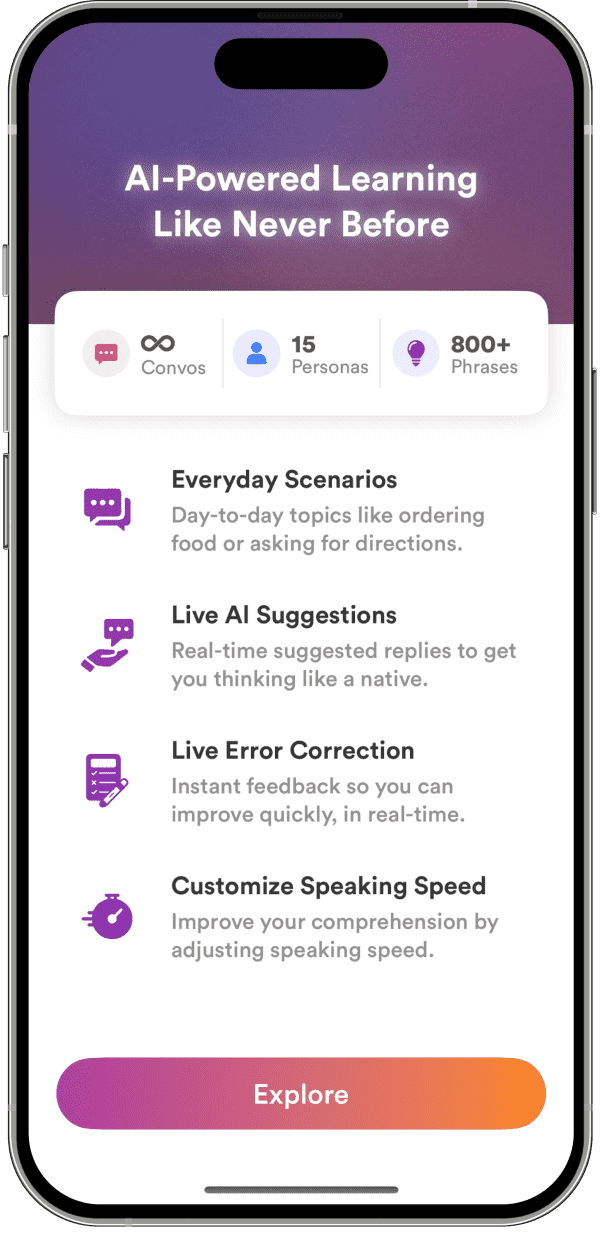
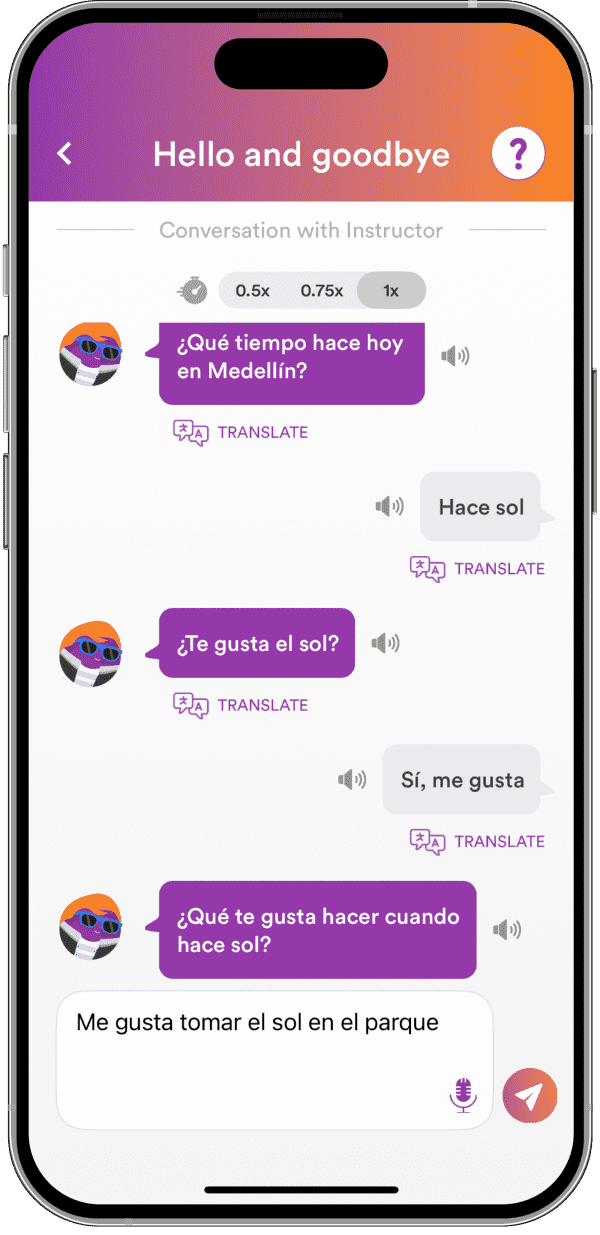
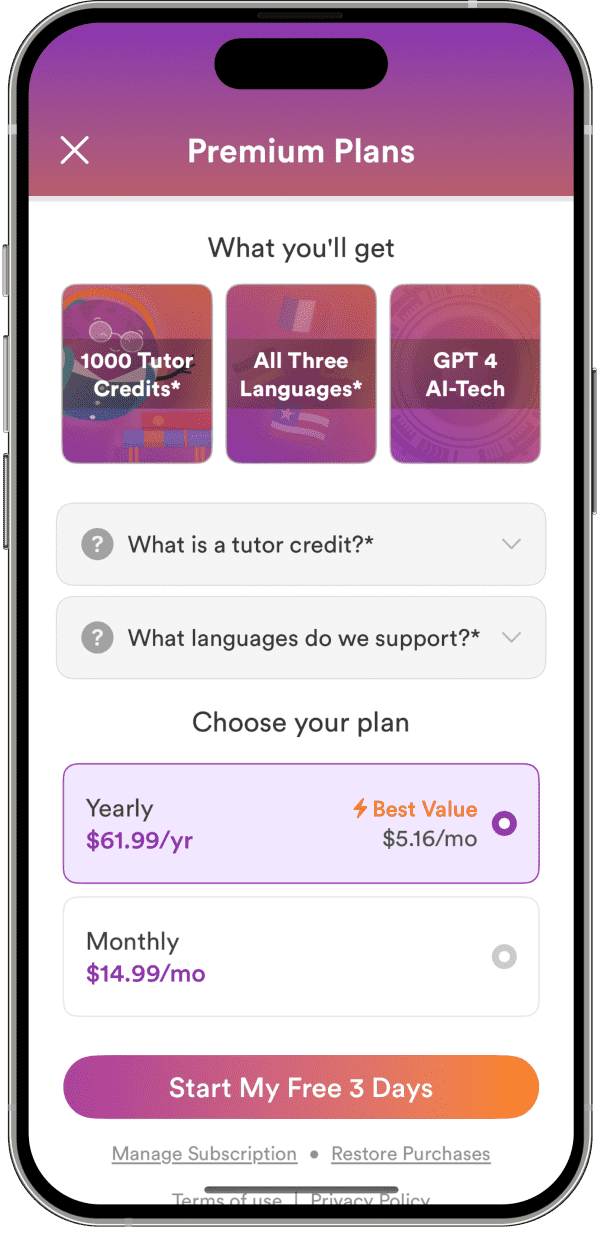
An AI language tutor built around real-time, spoken conversations with AI personas that adapt to the learner. I built the entire iOS app from scratch, solo, alongside a designer and a backend developer. UI is pixel-perfect to designer's vision.

Hydro Coach
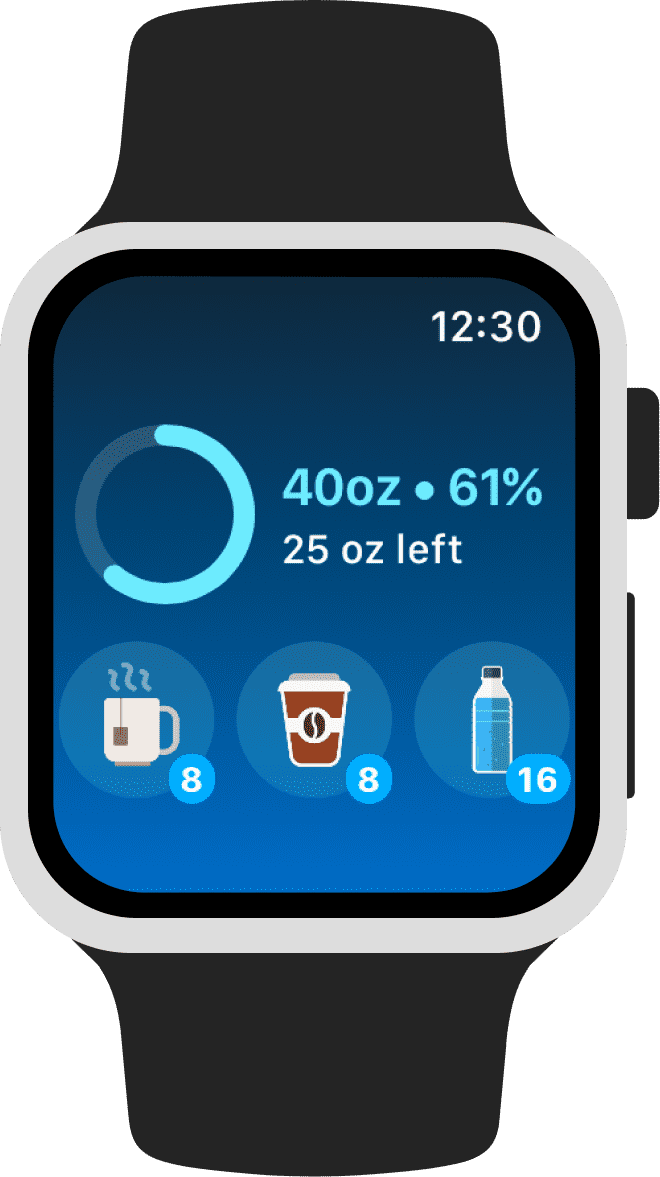
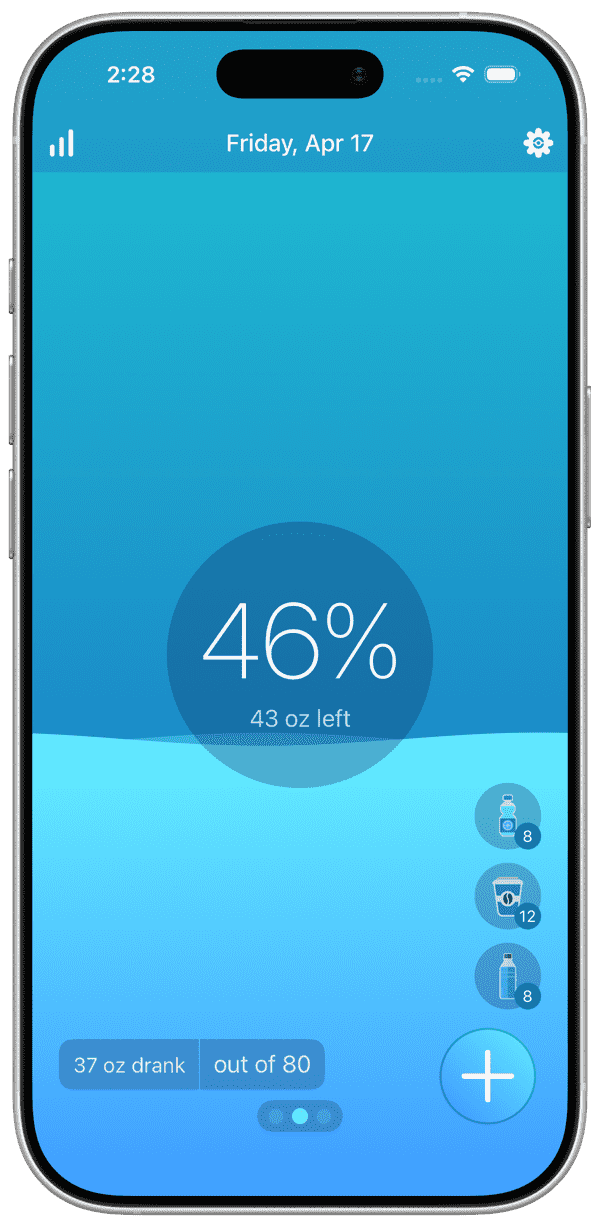
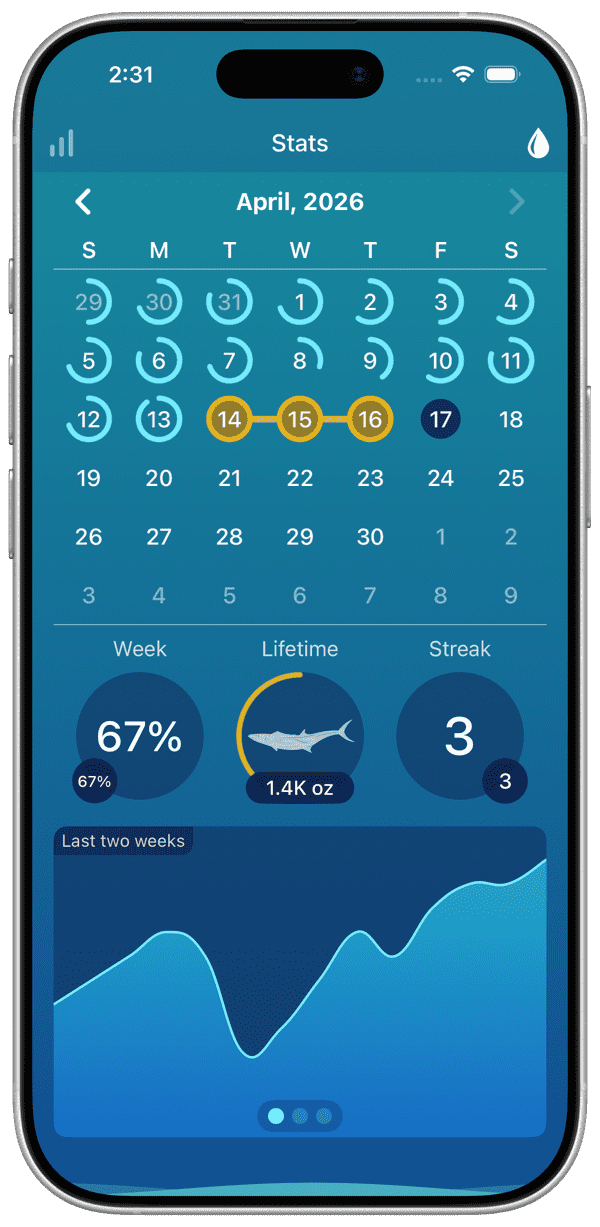
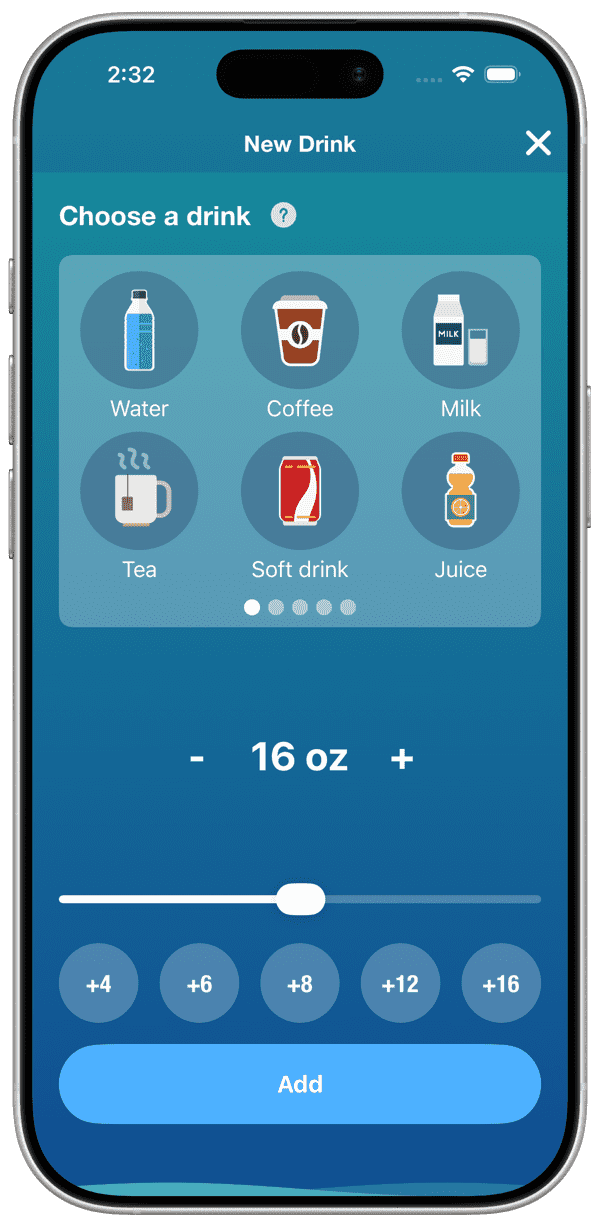
A Hydration tracking app I created and shipped solo, with 133,000 downloads at 4.6 stars. Complete with Apple Watch App, and Widgets, also home of my custom dynamic-promo framework.

HarmLess
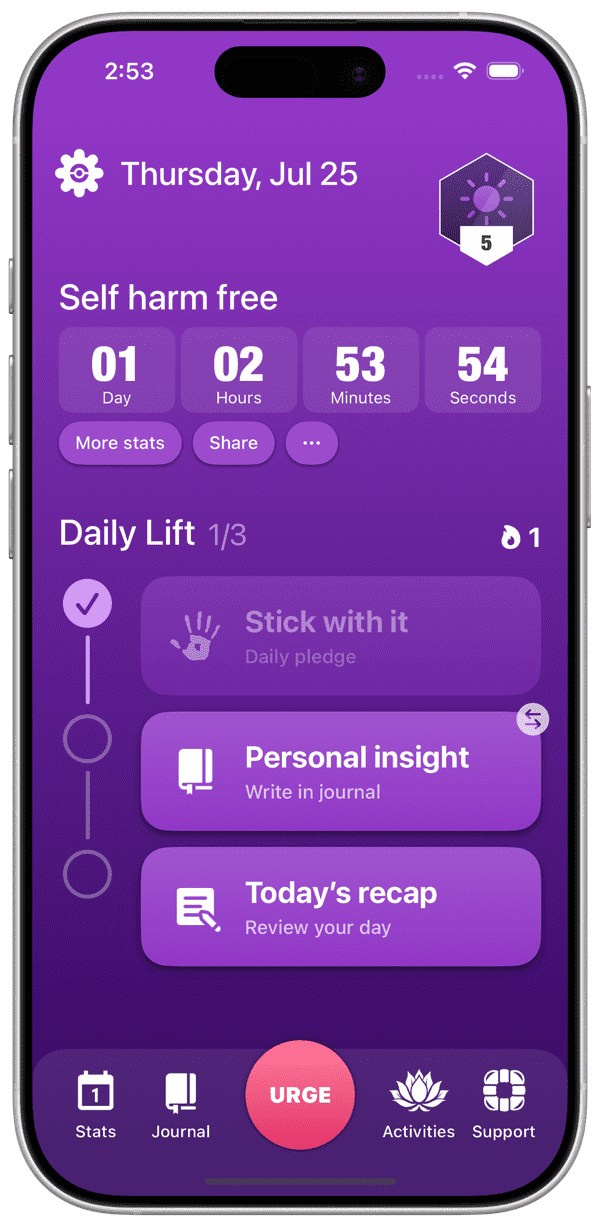
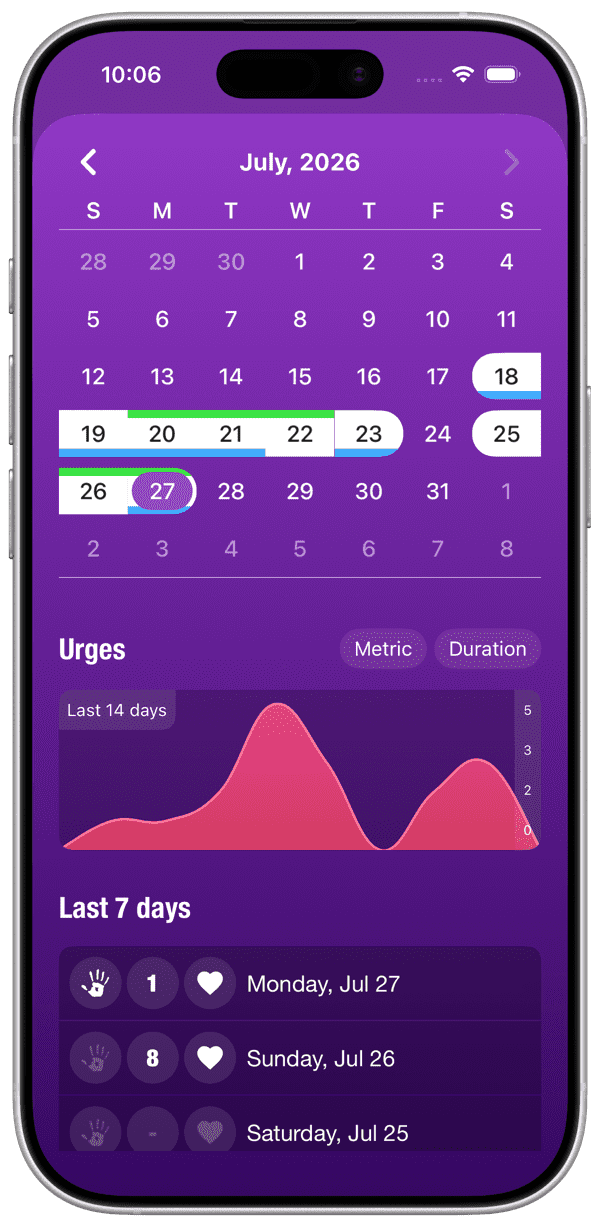
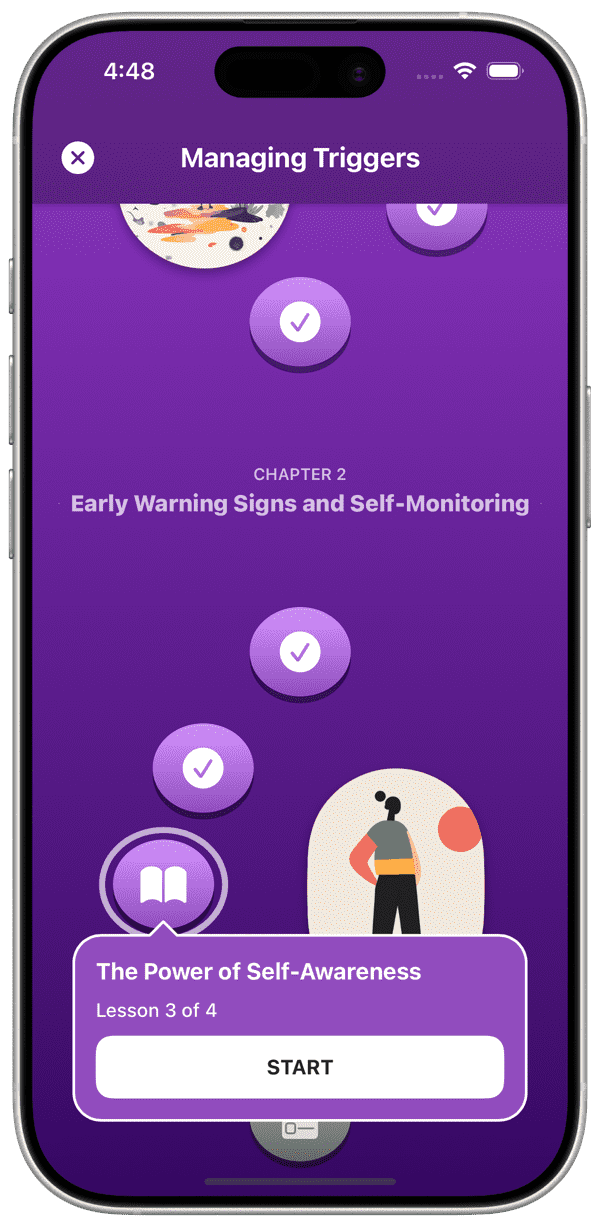
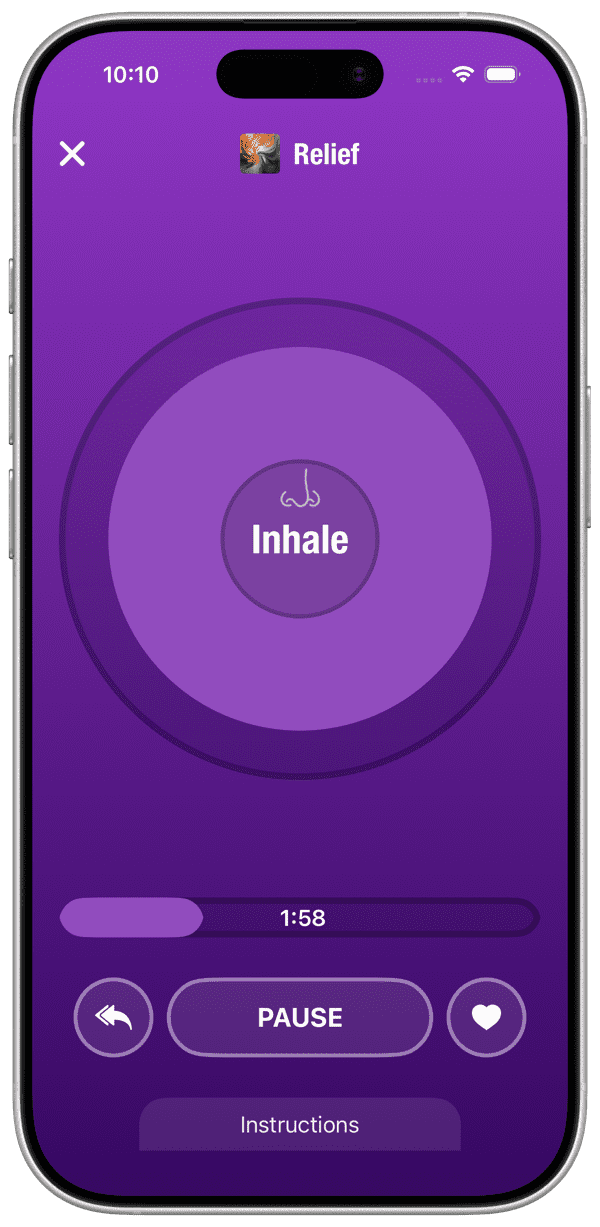
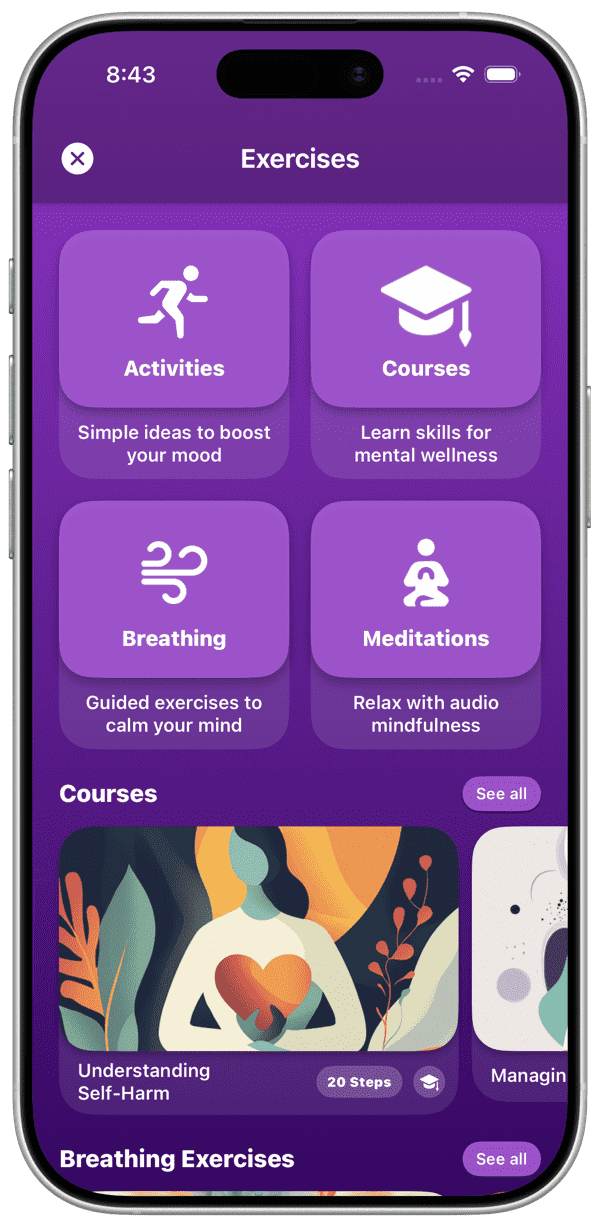
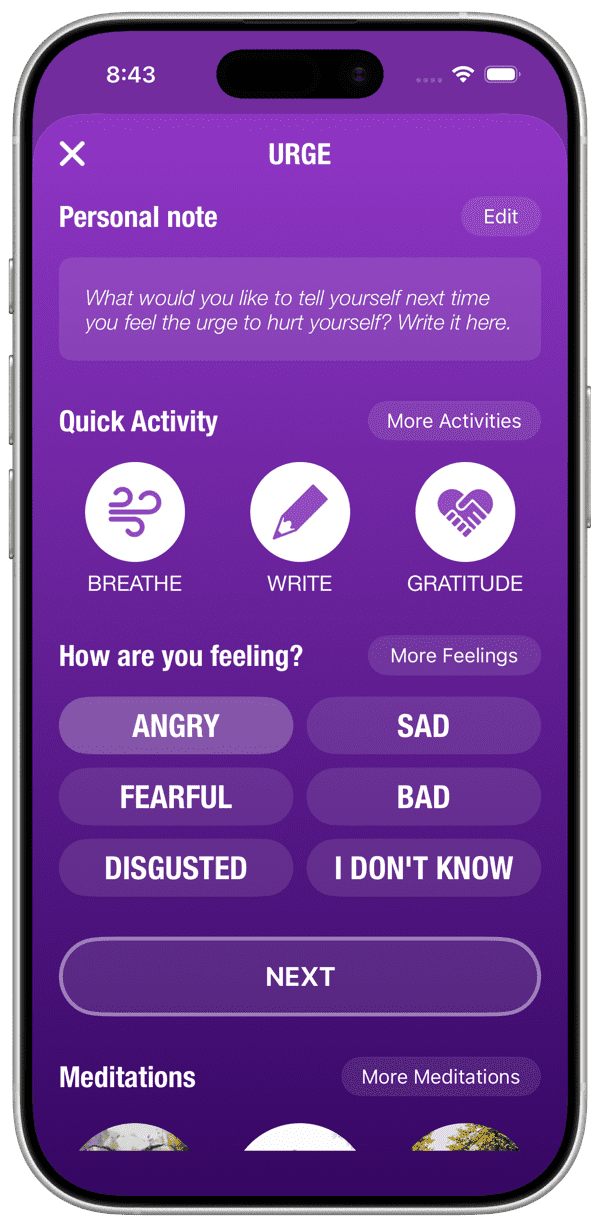
A self-harm recovery app that has helped hundreds of thousands of people. Designed, built, shipped, and grown solo, down to the ASO that drove the organic traffic.

EpicBot AI
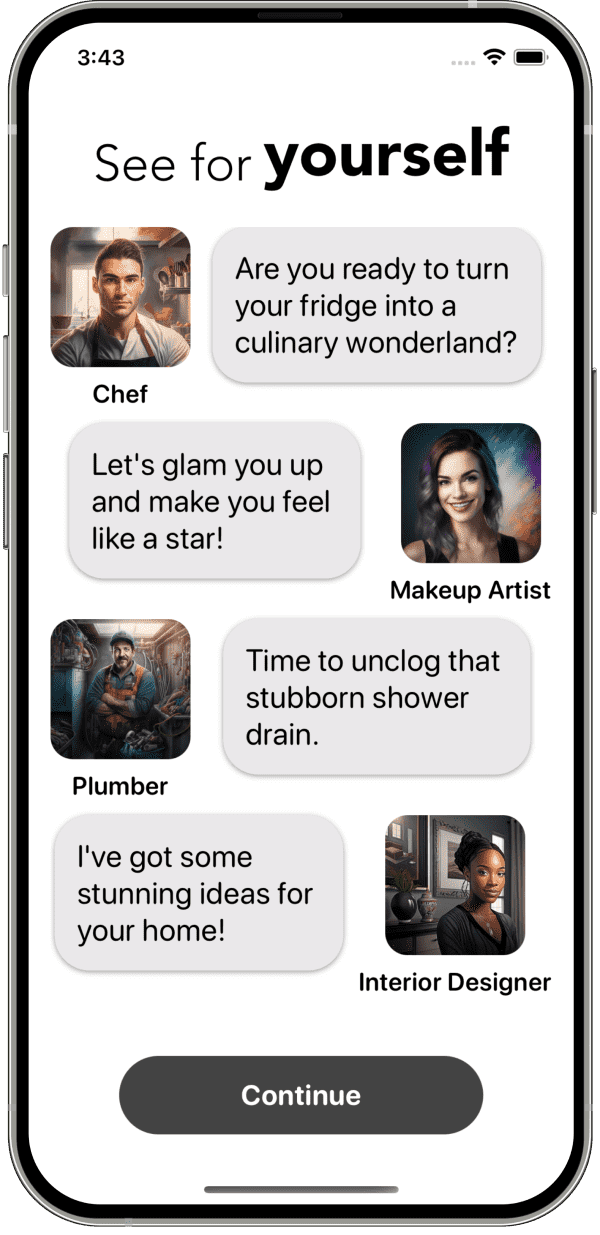
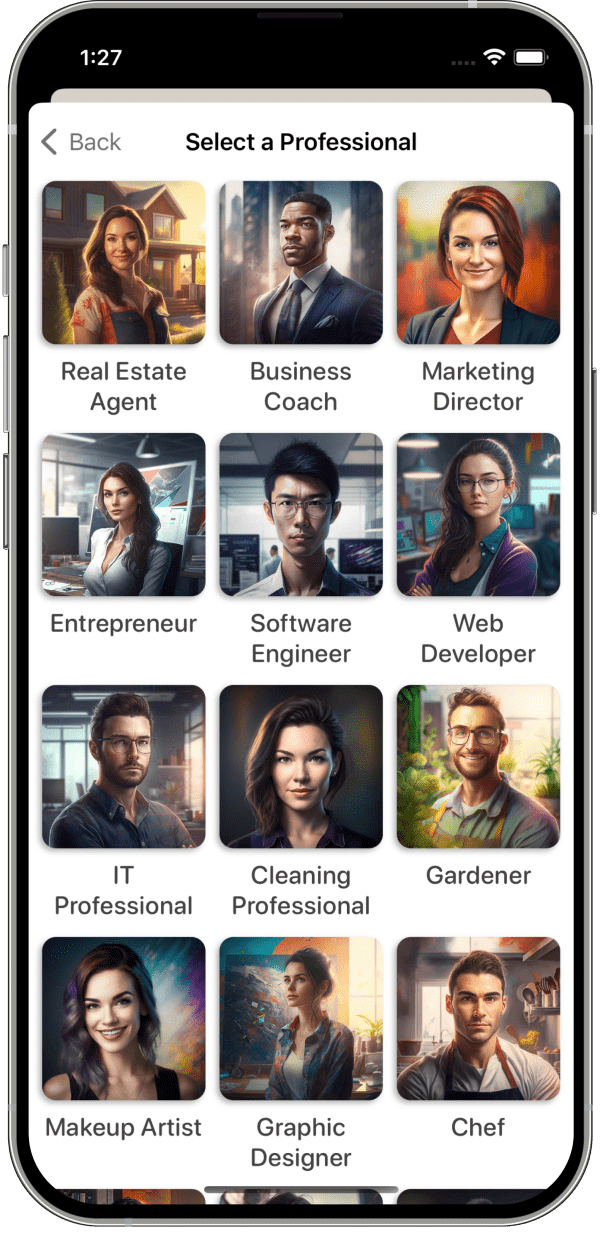
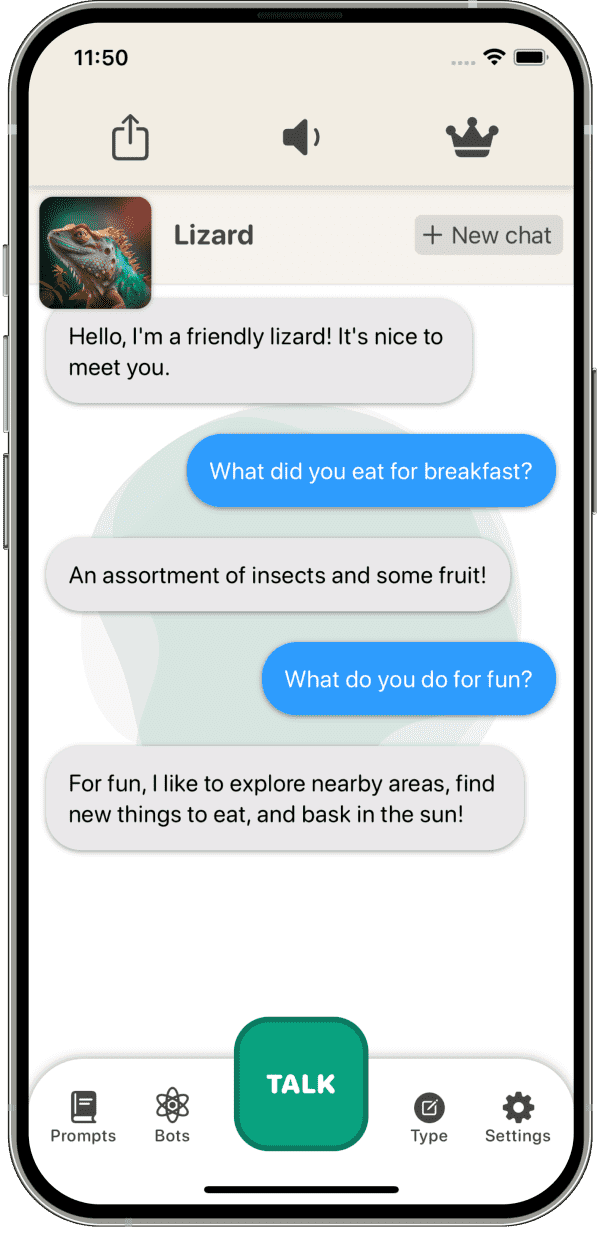
A multi-tool AI assistant, designed, built, and shipped solo. An early adopter of AI-driven applications: one of the first LLM apps on the App Store, live before ChatGPT had their own app. I also built the secure proxy server behind it.

Univoice
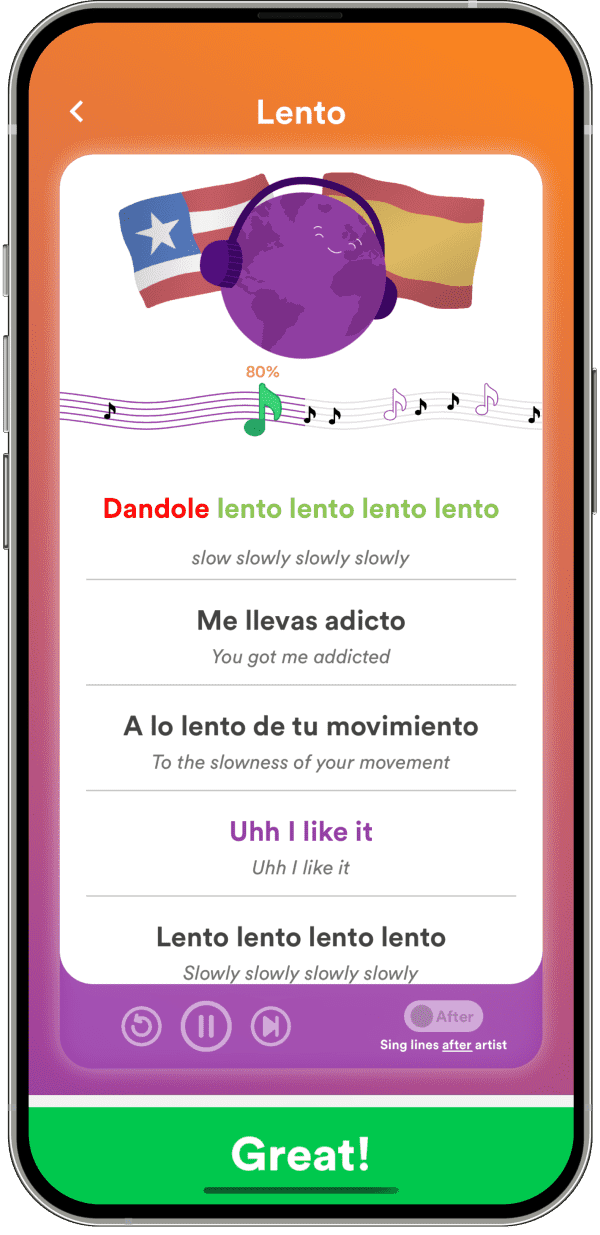
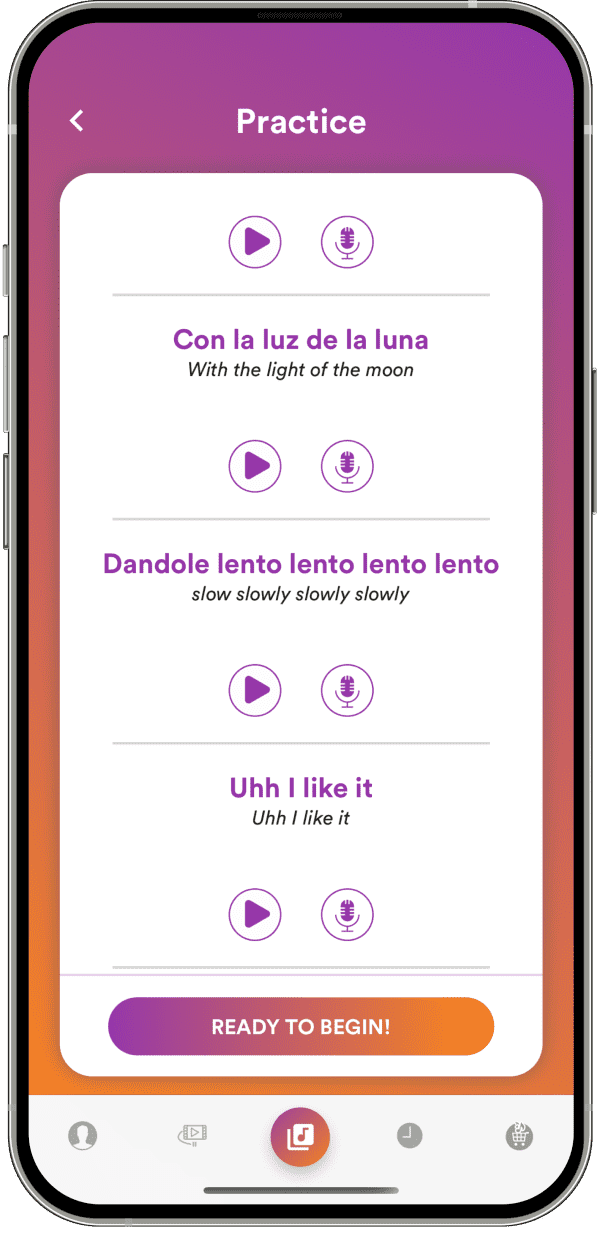
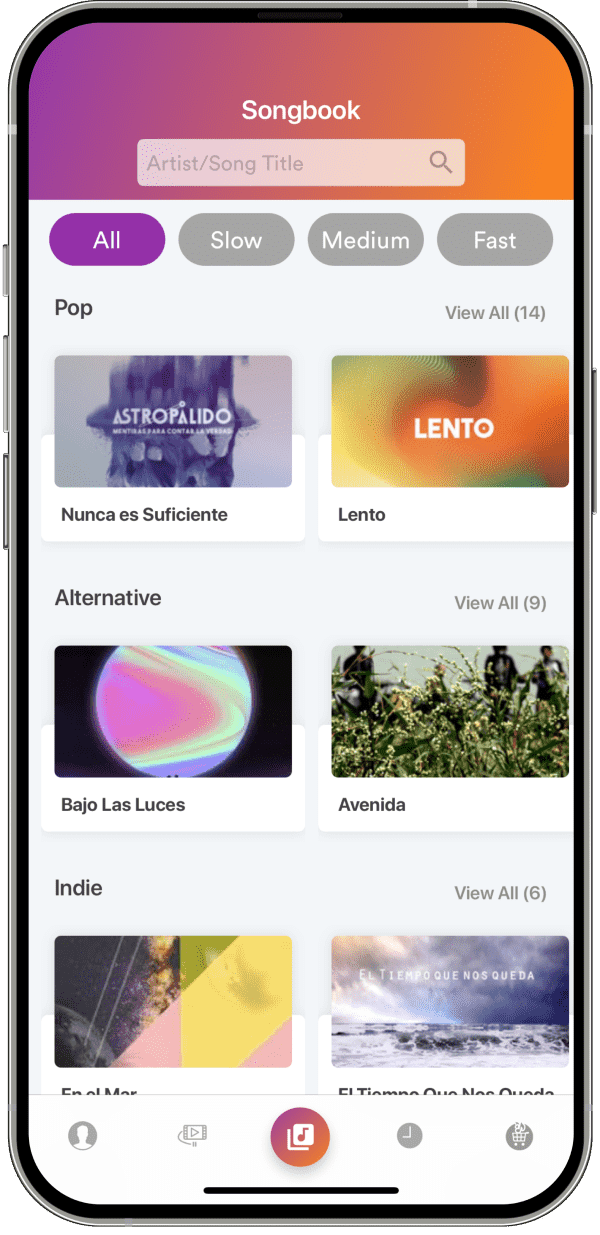
A language-learning-through-music app I took over after an overseas team stalled out. I revived the codebase, then built a real-time karaoke engine from scratch that grades your pronunciation live as you sing.
Mental Shift
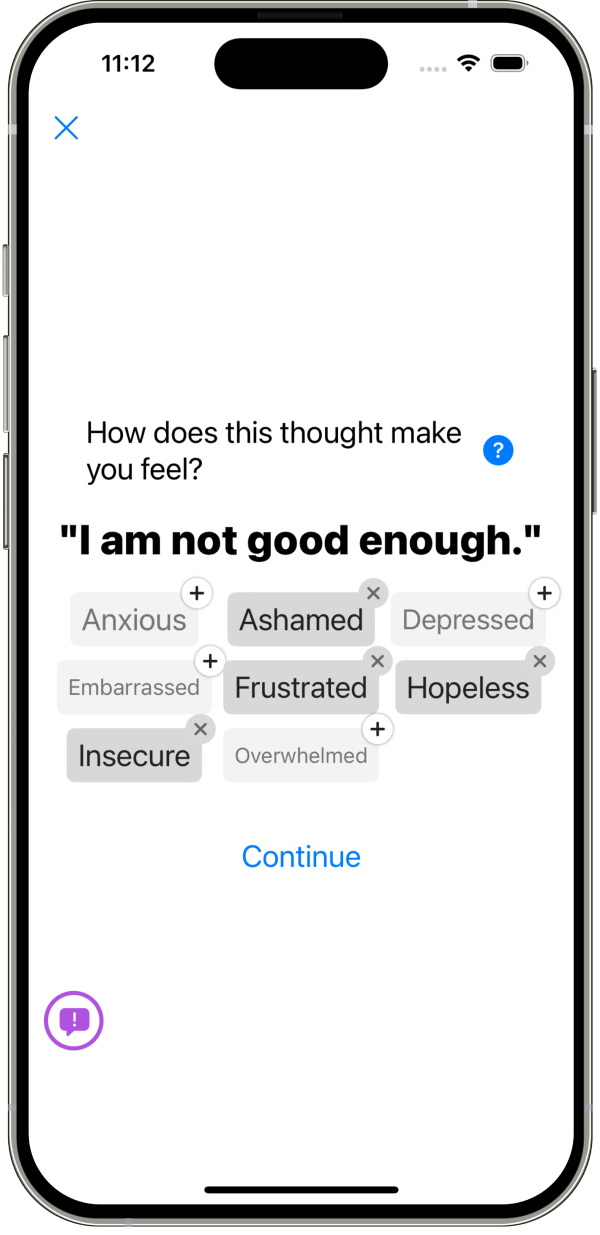
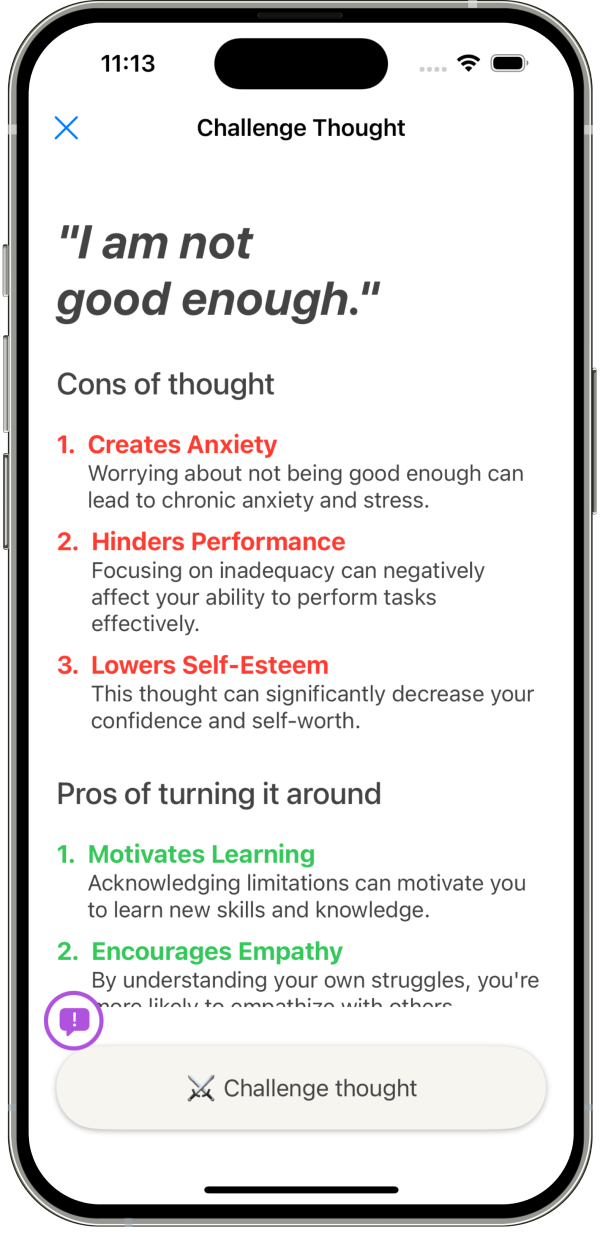
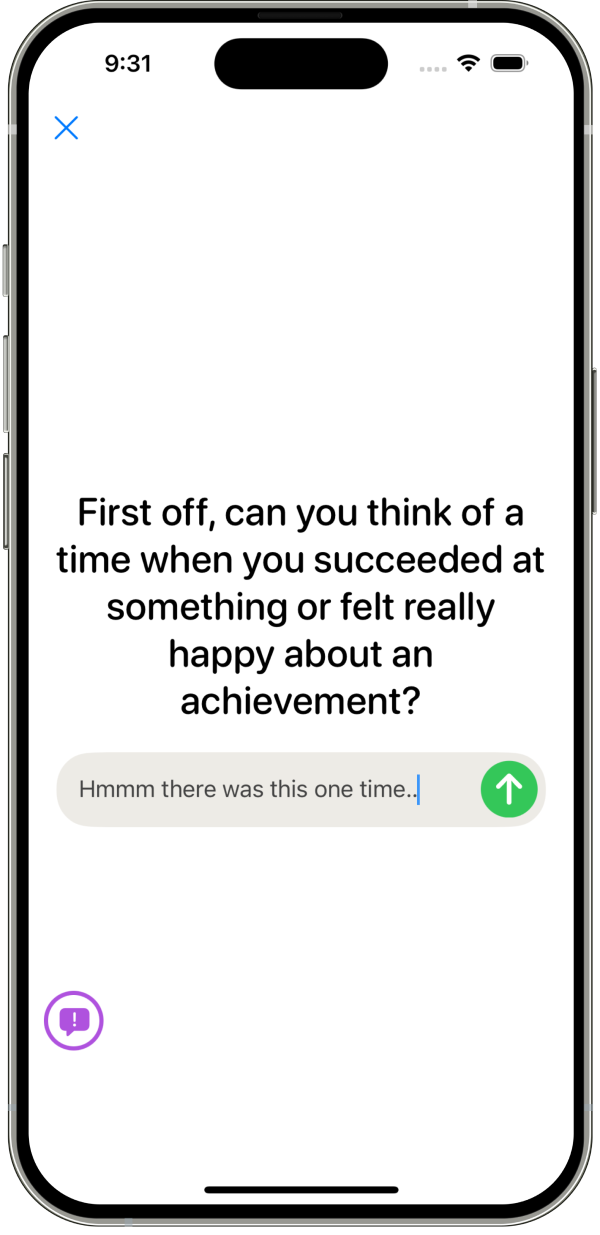
A CBT-style AI agent that guides someone from a distressed thought to a balanced mindset: surface the thought, weigh the cost of keeping it, then challenge it. My deepest dive into AI application design, shelved on purpose.

Better Habits
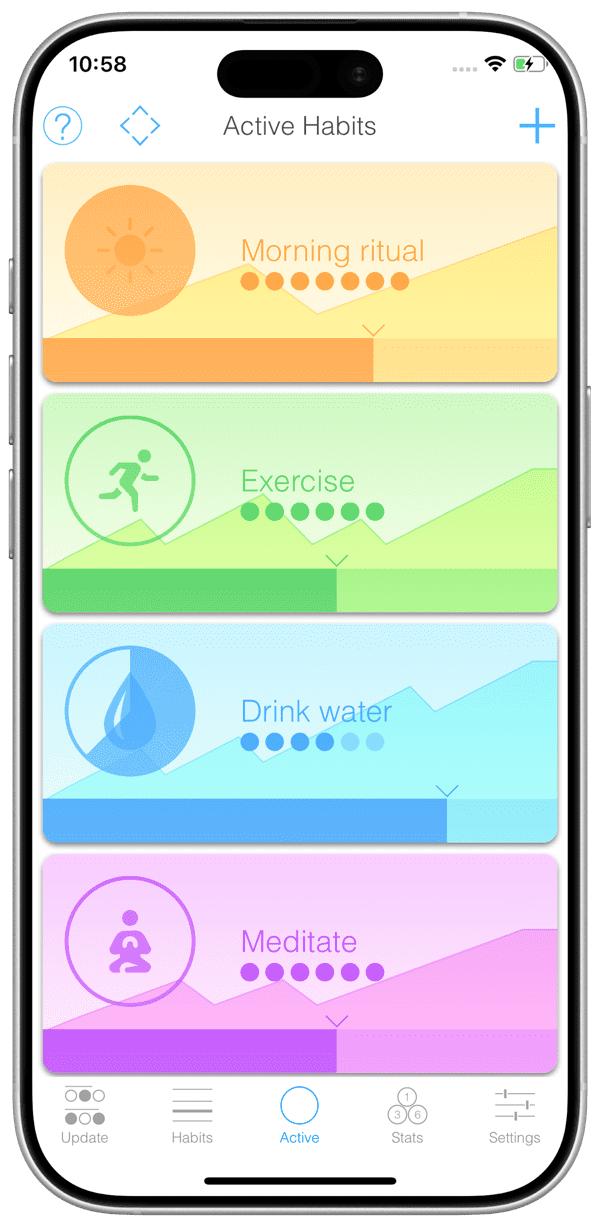
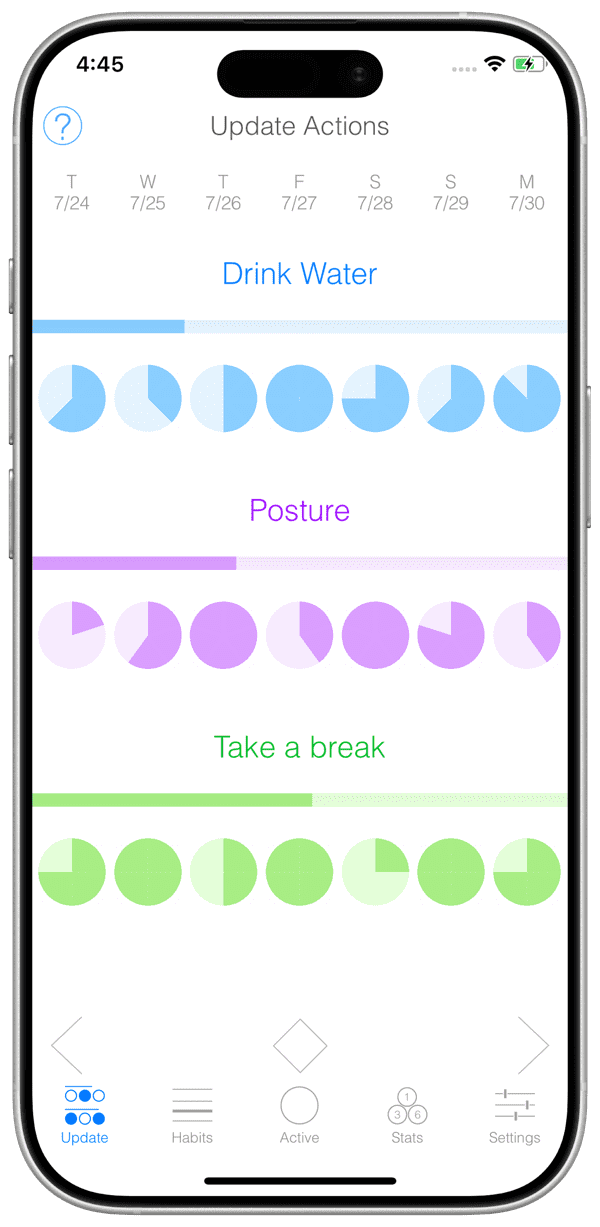
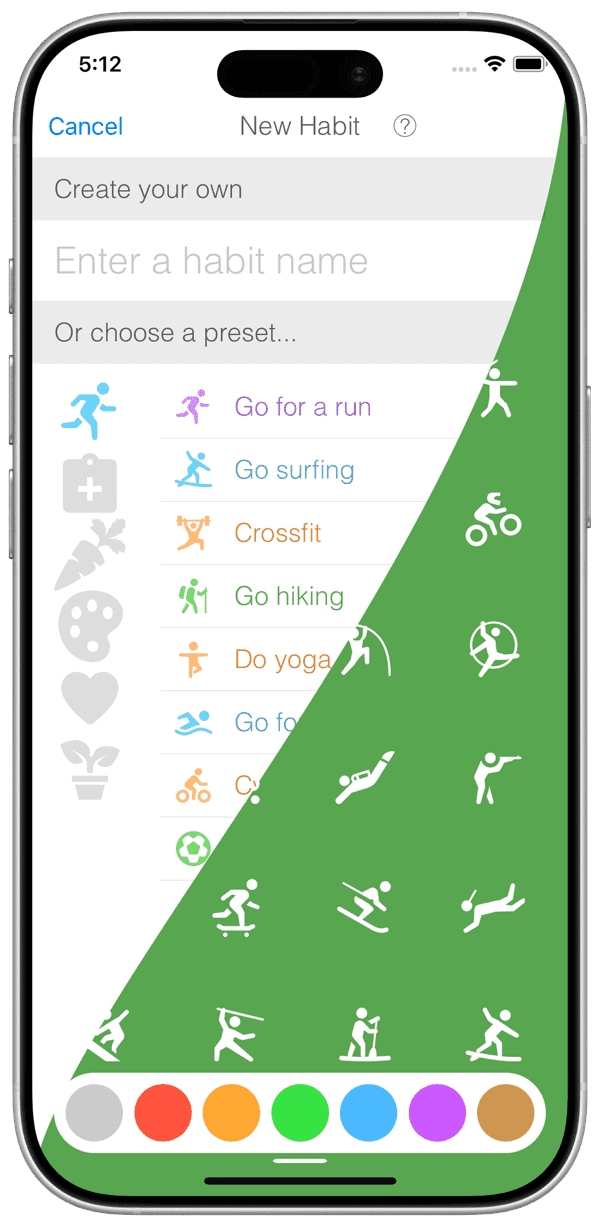
My first app, a habit tracker originally written in Objective-C. Deep core data, customization, and notification system.
A funded client hiring remotely is most afraid of not getting ownership. Here is what they get instead.
What I'm known for.
I own the outcome.
You won't manage me, chase me, or double-check my work. I drive projects forward without being asked, and I tell you the truth, good or bad. With agents on the keyboard, I own what they can't: architecture, scope, security, the diff review, and the wrong turns.
You pick how much AI.
Some clients want an engineer who has digested every line of the code. Some want an agent running at full speed with a veteran steering it, and don't need me to hand-read every line. I'm good either way. I'll tell you honestly which mix fits your project and your risk, then run it that way. No ideology, just 14 years of knowing where software breaks.
I finish what others couldn't.
AI gets you to 70%. Production does not accept 70%. Burned-out team or AI that ran ahead of itself, the work is the same: I take over stalled codebases, including one an overseas team gave up on, and land them in production. I've also cut through an AI-bloated one to fix what was broken.
For founders, product managers and designers who built an app with AI and want an engineer's eyes on it.
Built it with AI? Have an engineer check it.
AI tools can get an app surprisingly far. What they can't tell you is whether it's safe to put in front of real users, whether it will hold the next ten features, or why every new prompt seems to break something that used to work. I read the code and the backend behind it, then hand you a plain-language report and walk you through it on a call: what's solid, what's risky, and what to fix first.
Find out whether the foundation will hold the next feature, or whether every addition is making it more fragile.
Security, exposed keys, user data and App Store review, checked before launch rather than after.
Whether the app, its backend and its bill hold up when ten users become ten thousand.
The AI keeps going in circles and you can't push it any further. Find out why, and what it takes to move again.
Hiring one person means one person has to cover the whole product. This is what that covers.
The whole toolkit.
The rare mix a remote client needs: fourteen years of engineering, fluency with AI coding agents, and the product sense of someone who has actually run an app business.
One person, the whole lifecycle.

I'm Jared Collett, a senior software engineer. I've built software since 2012, nearly all of it native iOS, and shipped a 700,000-download app business solo: design, code, App Store approval, and growth, all of it alone.
I've led the iOS layer on complex client apps, including a real-time AI hearing app for Martin Cooper, the inventor of the cell phone. With coding agents I take on any stack now, and I'll say up front which parts are new to me. Earlier, I spent two years at Apple retail as a lead mentor, where I co-wrote training adopted across the company and helped onboard more than 70 people.
I work the way a client hiring remotely wishes everyone would: I own the outcome, tell you the truth good or bad, and drive it forward without being chased.
The questions a client actually asks before handing one person the whole app.
Straight answers.
What kind of work do you take on?
Three things. A new build taken from nothing to shipped. An AI feature that has to hold up in production rather than in a demo. Or an app that stalled and needs someone to land it. My track record is deepest in native iOS, owned end to end through App Store approval. With coding agents I take on any stack now, and I'll tell you up front which parts are new to me.
Can you take over an app someone else started?
Yes, and it is some of my favorite work. I took over a language-learning app after an overseas team stalled out, revived the codebase, then stayed on it for three and a half years and built a real-time karaoke engine into it. Inherited code, a burned-out team, or AI that ran ahead of itself, the job is the same: understand what is actually there, decide honestly what is worth keeping, and get it shipped.
How long have you been building iOS apps?
Since 2012, so fourteen years, and shipping to the App Store since 2015. I started learning Objective-C while working at an Apple retail store, and have been building native iOS ever since.
What does "real AI" mean in practice?
In the product, features that survive real users: deep LLM integration, function calling, structured outputs, and real-time spoken conversation. In the code, it is your call. Some clients want an engineer who has digested every line. Some want an agent running at full speed with a veteran steering it. I advise on the right mix for your project and your risk, then run it either way. What I own in both modes is the part the AI can't: architecture, scope, security, the diff review, and the wrong turns. That is the difference between software that demos well and software that holds up.
Do you work solo, or with an existing team?
Both. I built and shipped my own apps alone, design through growth, so I can run the whole thing if that is what you need. On client work I have owned the iOS layer alongside designers and backend developers, and led the technical side for clients who wanted one accountable person instead of a team to manage.
How do we start?
Email me and tell me what you are up against: what you have, what is stuck, and what shipped looks like. I will tell you honestly whether I am the right fit.
Have something hard to build?
A new build, an AI feature that has to actually work, or an app that stalled and needs someone to land it. Tell me what you're up against and I'll tell you honestly whether I'm the right fit.